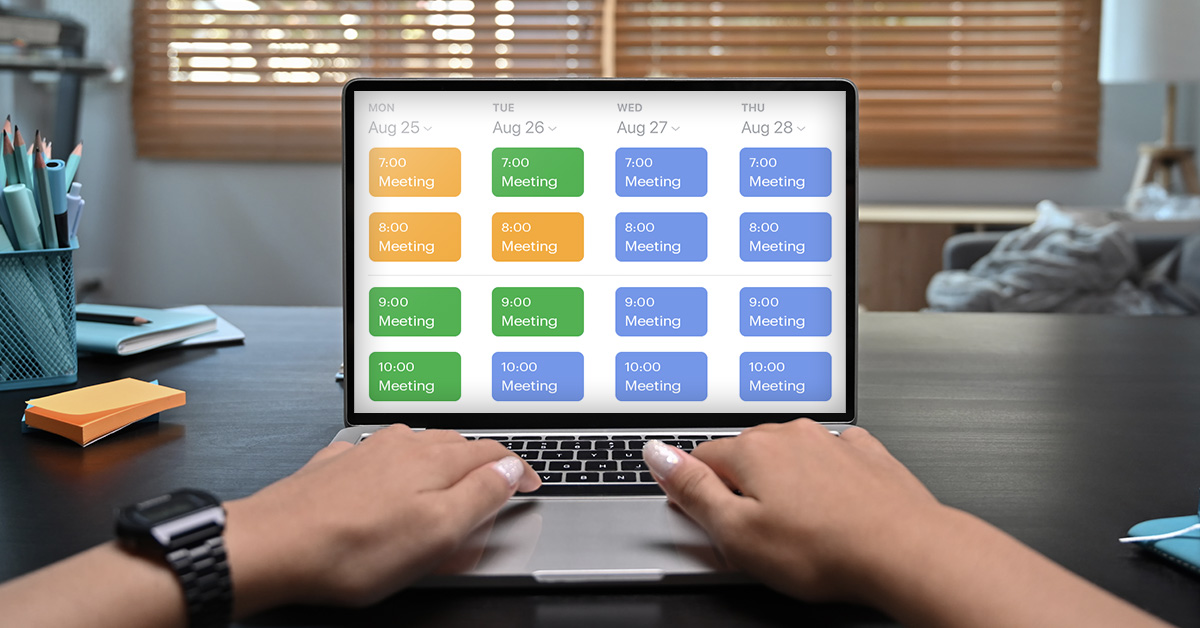
If you have spent any meaningful time running qualitative research the following math will sound very familiar. A single moderator can schedule 4-6 in-depth interviews a day before fatigue sets in. Multiply that across a 1-2 week fielding window and you might land somewhere around 30 to 45 sessions assuming scheduling goes smoothly. Now layer in the reality that your end client or stakeholders want coverage across five different audiences, three markets and two product lines. The math doesn’t add up – and it never really has.
So, what do you do? You have to make trade-offs. You decide whether you need to cut segments, reduce sample in one market to make room for another, narrow the discussion guide to do shorter sessions and the list goes on. These are not bad decisions. They are the rational choices that researchers make when there are bandwidth issues and strict project timelines that need to be met. But at the end of the day they are still trade-offs and every one of them means there are conversations you are not having and perspectives you are not hearing.
This is the limitation that has defined qualitative research for decades. Qualitative research is powerful because it creates space for nuance and depth to truly uncover the “why” but that depth and precision has always come at a cost. For most researchers this is just the way things are and you work within those limits. You get good at making the case for why 25- 30 interviews is enough and why the timeline cannot compress further.
But what if those limitations could change?

Enter: AI-Moderated Interviews in Qualitative Research
Before going further, it is worth clarifying what we are talking about because the term “AI-moderated interviews” means different things to different people.
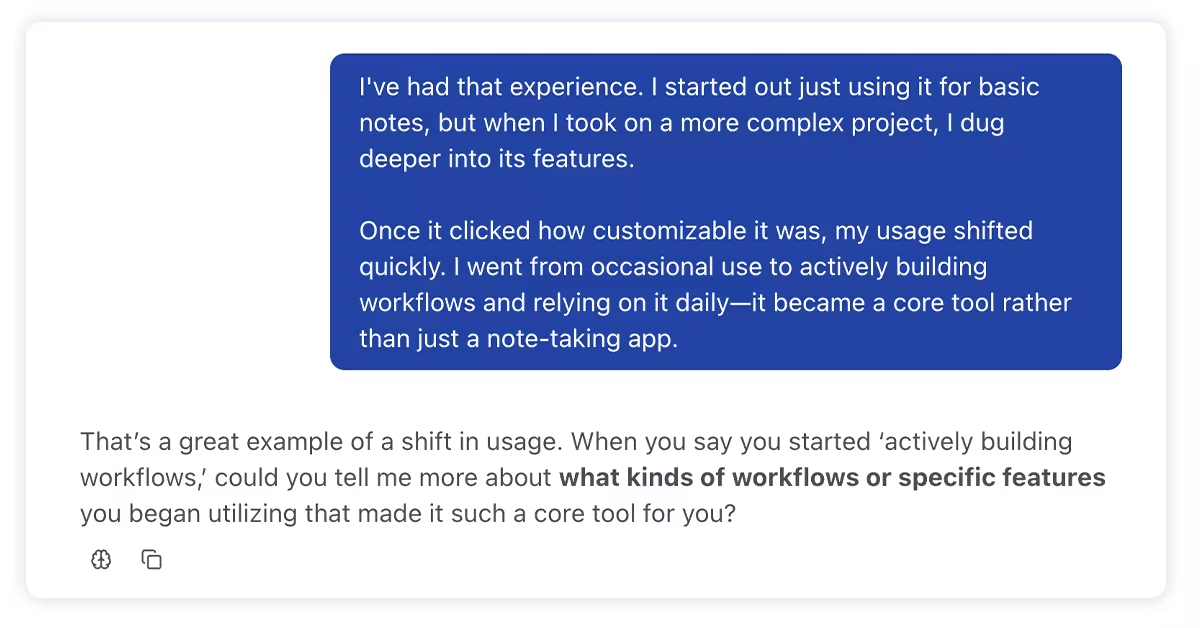
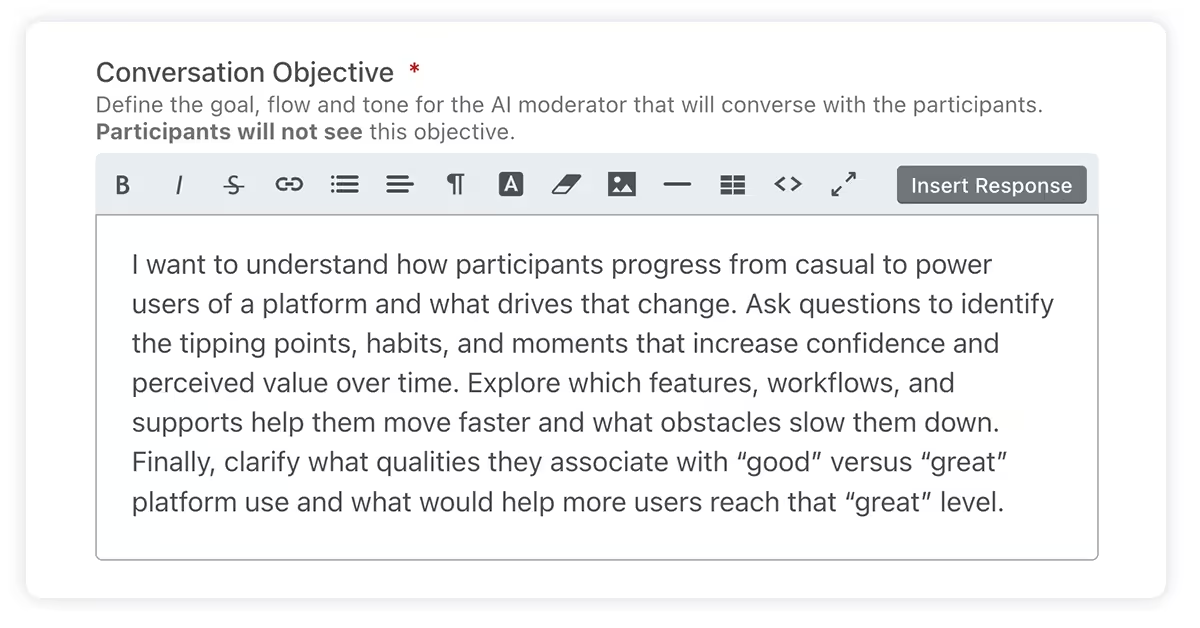
An AI-moderated interview is a one-on-one conversation between a participant and an AI moderator guided by a question or objective that the researcher defines ahead of time. The researcher decides what they need to learn and then AI conducts the interview either through text, audio or video depending on the tool or platform being used. The AI moderator will kick off the conversation, ask questions, probe on responses, following up when an answer is vague or surface-level and end the conversation when it determines the question or topic has been sufficiently explored and the overall objective set by the researcher has been met.
AI moderated Interviews are not a chatbot following a rigid script. And they are not a static questionnaire written in conversational language. This distinction matters because the value of qualitative research has always been in the follow-up. The “tell me more about that” and “what did you mean when you said…” moments that a good moderator knows how to navigate. An AI-moderated interview is designed to replicate that adaptive probing not just ask a series of predefined questions or follow-ups.
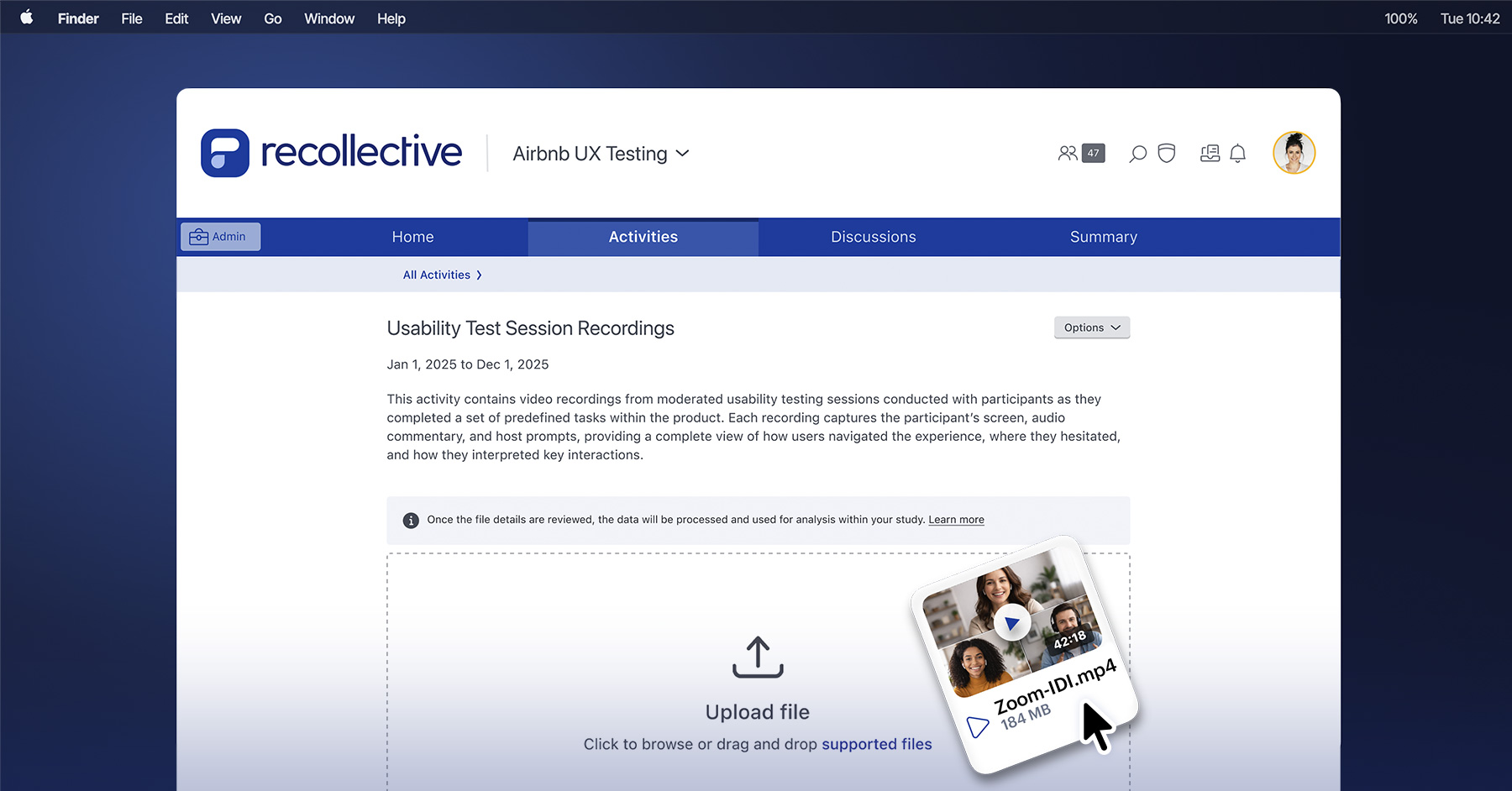
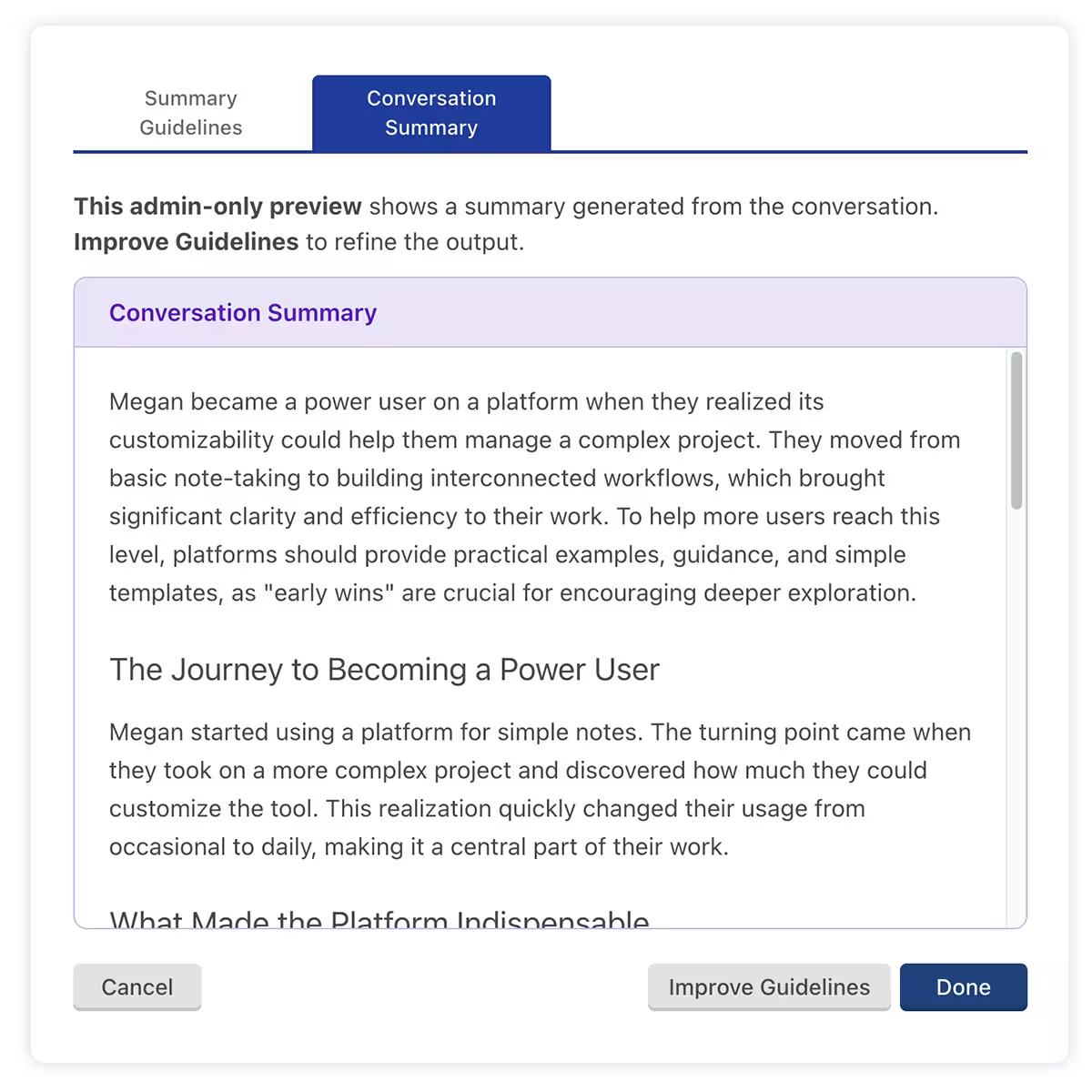
It’s also important to note that the AI moderator is not operating autonomously. It does not decide what the research questions should be. It can summarize the conversations but it does not interpret findings or make recommendations. The researcher designs the objective, reviews the output and decides what to do with it. The AI handles the execution of the conversation itself along with the summarization of information - the parts that have always been bottlenecked by the number of skilled humans available to do it at any given time.
If you are reading this with some skepticism, I would expect nothing less. The claims made about AI in research over the past two years have often outpaced the reality and researchers are right to push back on anything that sounds like it is promising to automate their expertise away. This is not that. This is about removing a logistical ceiling so that a researcher’s expertise can reach further.
Why AI-Moderated Interviews Matter for Qualitative Research at Scale
At every conference I attended this past year, from TMRE to Quirks, one theme kept resurfacing. The expectation for both depth and speed is rising and traditional timelines are struggling to keep up. AI-moderated interviews change the equation in a few key ways that I think are worth exploring.
When the timeline will not bend, this is where the impact is most immediate. Consider a product team preparing for a quarterly planning meeting. They need qualitative input across five distinct audience segments. Traditional IDIs would mean selecting two segments to prioritize now and pushing the others to next quarter. With AI-moderated interviews the researcher writes a clear objective, launches conversations simultaneously across all five segments and reviews structured summaries within days. The planning meeting happens with representation from every segment not just what fits the schedule.
When consistency matters across markets, the value becomes even clearer. Global research has always carried a hidden cost in variability. When you coordinate eight local moderators across eight countries each one brings their own style and their own interpretation of the discussion guide. AI-moderated interviews follow the same researcher-defined objective in every market with conversations happening in participants’ native languages. The output is structurally consistent which means the analysis can focus on genuine differences between markets rather than differences introduced by moderator variability.
When the research window is narrow, this approach really shines. Some of the most valuable qualitative insights come from moments that are fleeting. A user’s first experience with a new onboarding flow. A customer’s reaction in the days immediately after a service failure. Traditional interview scheduling simply cannot move fast enough to capture those moments. AI-moderated interviews reach participants in those windows because there is no calendar to coordinate. The conversation happens when the participant is ready not when a moderator is available.
And when you need to show your work, there is a transparency benefit that I have seen resonate with stakeholders. Every conversation produces full transcripts and structured summaries. When a stakeholder questions a finding you can point them to the specific exchanges that support it. It does not make qual into quant but it does make the evidence more transparent and easier to defend.
These are not hypothetical scenarios. They are the situations researchers navigate every day. AI-moderated interviews do not eliminate those judgment calls. They change the set of options available when making them.
Where AI-Moderated Interviews Fit in Practice
It would be easy to frame this as a story about replacement. Old methods out, new methods in. That framing is wrong and it misses the point.
This is something we think about a lot at Recollective. Technology should expand what is possible not narrow it. AI-moderated interviews are strongest in specific contexts like discovery work where you need depth across a broader sample, refinement studies where you are testing a concept across multiple segments and evidence-gathering efforts where consistency and traceability matter.
They are less suited for deeply sensitive topics where the presence and empathy of a human moderator is essential. Grief research, trauma-informed work, studies involving vulnerable populations. There are conversations where a participant needs to feel that another person is genuinely listening and that is a need no technology should try to replace. Researchers understand this intuitively. The goal is not to hand everything to AI. It is to free up human bandwidth for the work that requires it most.
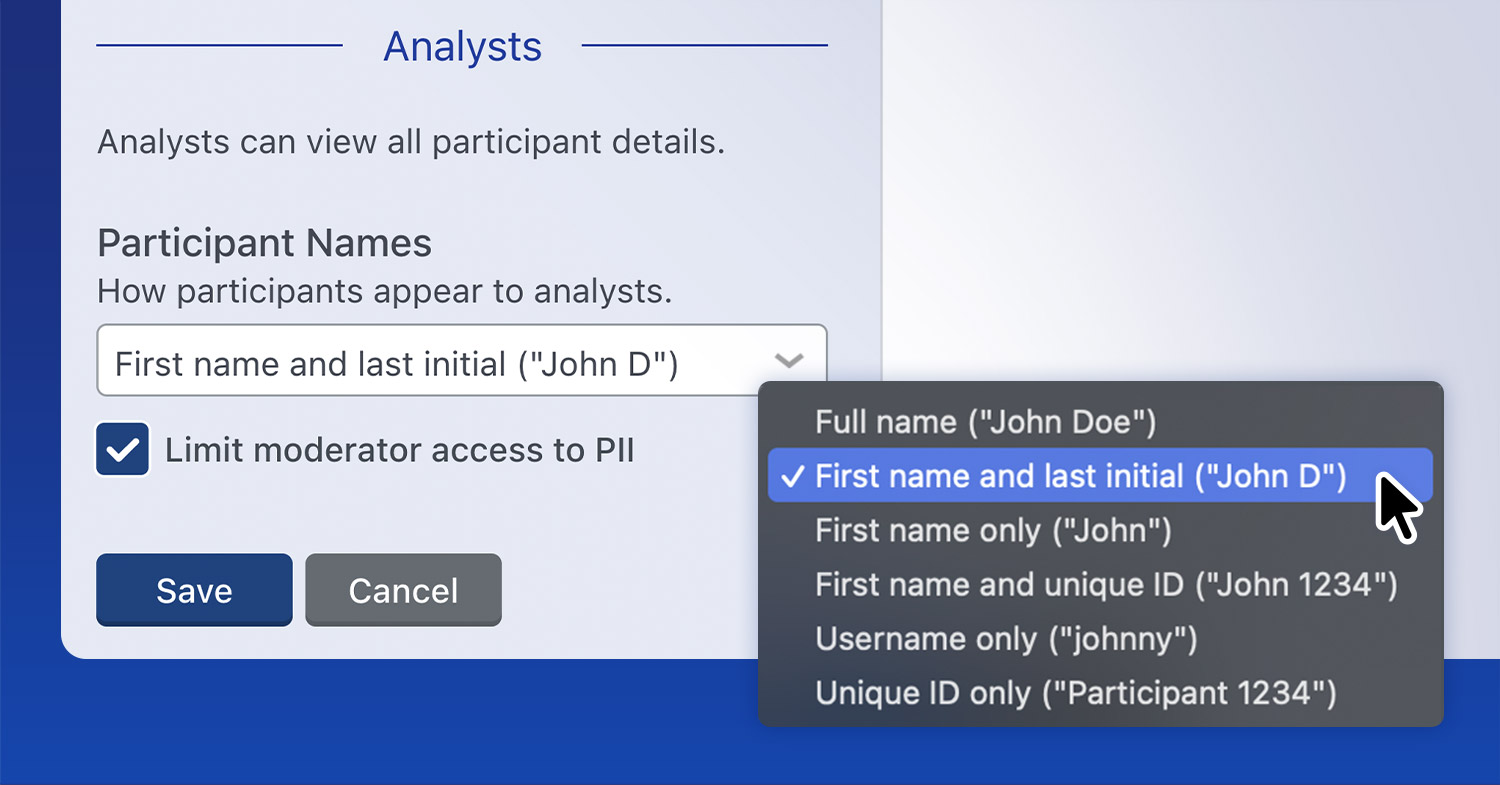
For enterprise teams evaluating this approach, the security question matters as much as the methodology question. Recollective's AI tools operate within the same SOC 2-compliant environment as the rest of the platform — participant data is encrypted, ring-fenced to your account and never used to train external models.
What we are seeing emerge in practice is a hybrid model. The researcher defines the objective and the parameters of the conversation. The AI conducts the interviews. The researcher reviews the outputs, reading summaries, scanning transcripts and identifying the threads worth pulling further. In some cases the researcher follows up with a smaller set of traditional IDIs to go deeper on themes that surfaced in the AI-moderated conversations.
The craft of qualitative research does not disappear in this model. It shifts toward a larger emphasis on design, interpretation and recommendations.
What Changes When You Use AI-Assisted Qualitative Analysis
Having worked with teams adopting this approach I have seen a few patterns come up consistently that are worth sharing.
The objective is everything. The single biggest factor in whether an AI-moderated interview produces useful output is the objective the researcher wrote. A vague or overly broad objective produces vague and overly broad conversations. A focused objective with clear priorities produces conversations that go deep on what matters. This is actually reassuring if you think about it. It means the quality of the research is still in the researcher’s hands.

Participants are often more candid. There is a growing body of evidence suggesting that some participants are more open in conversations with an AI moderator than they are with a human one. The dynamic of performing for another person, saying what you think the moderator wants to hear and editing yourself in real time, is reduced when the conversation partner is not human. For topics where social desirability bias is a concern this can be genuinely freeing for participants.
Analysis changes shape not just speed. The common assumption is that AI-moderated interviews make analysis faster because you have less material to review. The reality is more interesting. You often have more conversations than you would with traditional IDIs. What changes is the format. Instead of watching hours of recorded interviews you are working with structured summaries already organized around the objective. The researcher still does the interpretive work but they are starting from a more structured foundation. More time on making sense of the conversations and less time on the mechanical work of organizing raw data.
Getting Started with AI-Moderated Interviews
At Recollective we have built this capability into our qualitative research platform because we believe the researcher should remain at the center of the process. Designing the objectives, reviewing the evidence and making the calls that matter.
If this resonates and you are curious about trying AI-moderated interviews the practical advice is simple. Start small and start with something real. Pick one research question that you have been meaning to run OR do your own A/B testing with something that you typically run in a lot of your projects (maybe a simple getting to know you exercise). Write a clear objective for it. Run it with a manageable number of participants. Read the transcripts. Compare the summaries to your own interpretation of the raw conversations. Form your own opinion about the quality before scaling.
This is not a method you either need to adopt or reject outright. It is a tool and like any tool its value depends on how it’s applied. The researchers who are getting the most from AI-moderated interviews are the ones who approached it with curiosity rather than conviction, who ran a small study, evaluated the output honestly and then decided where it fit in their practice.
The ceiling on qualitative research has always been defined by how many conversations a human can conduct. That ceiling is lifting. What you do with the additional space, the segments you can now include, the markets you can now cover and the questions you can now ask is still entirely up to you. And that is exactly how it should be.